Ticks are not just annoying, they can be genuinely dangerous. In many parts of Australia, paralysis ticks can cause life threatening illness, especially in dogs. Cats are also at risk, and symptoms can be harder to spot.
How tick paralysis works
Paralysis ticks release a toxin while feeding. The toxin affects the nervous system, leading to weakness that can progress to paralysis and breathing difficulty. The scary bit is that pets can look “a bit off” at first, then worsen over hours.
Early signs are often subtle
Tick paralysis doesn’t always start with dramatic symptoms. Look for:
-
Wobbliness or weakness in the back legs
-
A change in bark or meow
-
Coughing or gagging
-
Vomiting or retching
-
Panting or noisy breathing
-
A tired, unsettled, “not quite right” vibe
-
Drooling or trouble swallowing
If you notice these, check for ticks and contact your vet immediately.
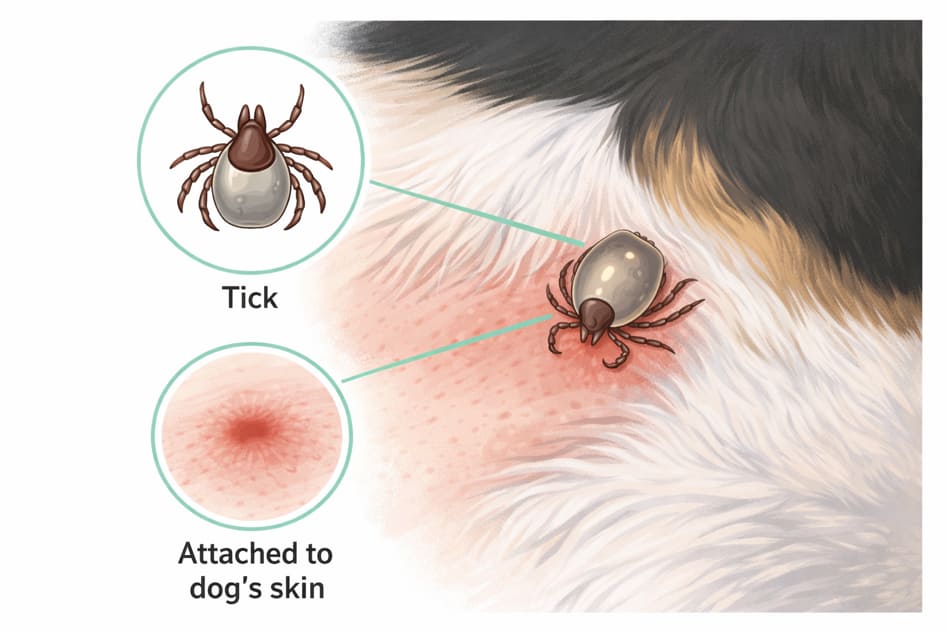
Where ticks hide
Ticks love warm, protected areas. When you check your pet, focus on:
-
Around the head and neck
-
Under collars
-
Behind ears
-
Under the chin
-
Armpits and groin
-
Between toes
-
Under the tail
Use your fingertips and feel for small lumps. Ticks can be tiny, especially early.
Prevention is far easier than treatment
Tick prevention works best when it’s consistent. If doses are missed or delayed, protection can drop off. A good prevention routine includes:
-
Vet recommended tick prevention products (correct for species and weight)
-
Daily checks during higher risk seasons
-
Keeping grass and garden edges trimmed
-
Discouraging pets from roaming in dense scrub
Important note: not all tick products are safe for cats. Never apply a dog tick product to a cat unless specifically advised by a vet.
What to do if you find a tick
If your pet is showing symptoms, treat it as urgent and contact your vet. If your pet seems fine, remove the tick carefully and still monitor closely. Keep the tick if you can (in a sealed container) in case it helps identification. Symptoms can appear even after removal.
The takeaway
Ticks are one of those problems where speed matters. Prevention and daily checks give you the best chance of avoiding an emergency dash, especially during warm, humid periods.